Disclaimer
This post may contain affiliate links. I will make a small commission if you make a purchase through one of these links, at no extra cost to you. See full disclosure and disclaimer policy HERE.

If literature were a city, Mario Vargas Llosa would be one of its most daring architects — the kind who doesn’t just build houses but entire neighbourhoods of ideas, politics, memory, and human contradictions. Reading him isn’t just reading a story; it’s like stepping into a living, breathing world where history argues with imagination.
So why should you read Mario Vargas Llosa? Simple. Because few writers manage to combine storytelling, philosophy, politics, humour, and psychological depth with such confidence and clarity. His books don’t just entertain you — they challenge you. Let’s talk about why adding Vargas Llosa to your reading list might be one of the smartest literary decisions you’ll make.
Who Was Mario Vargas Llosa?
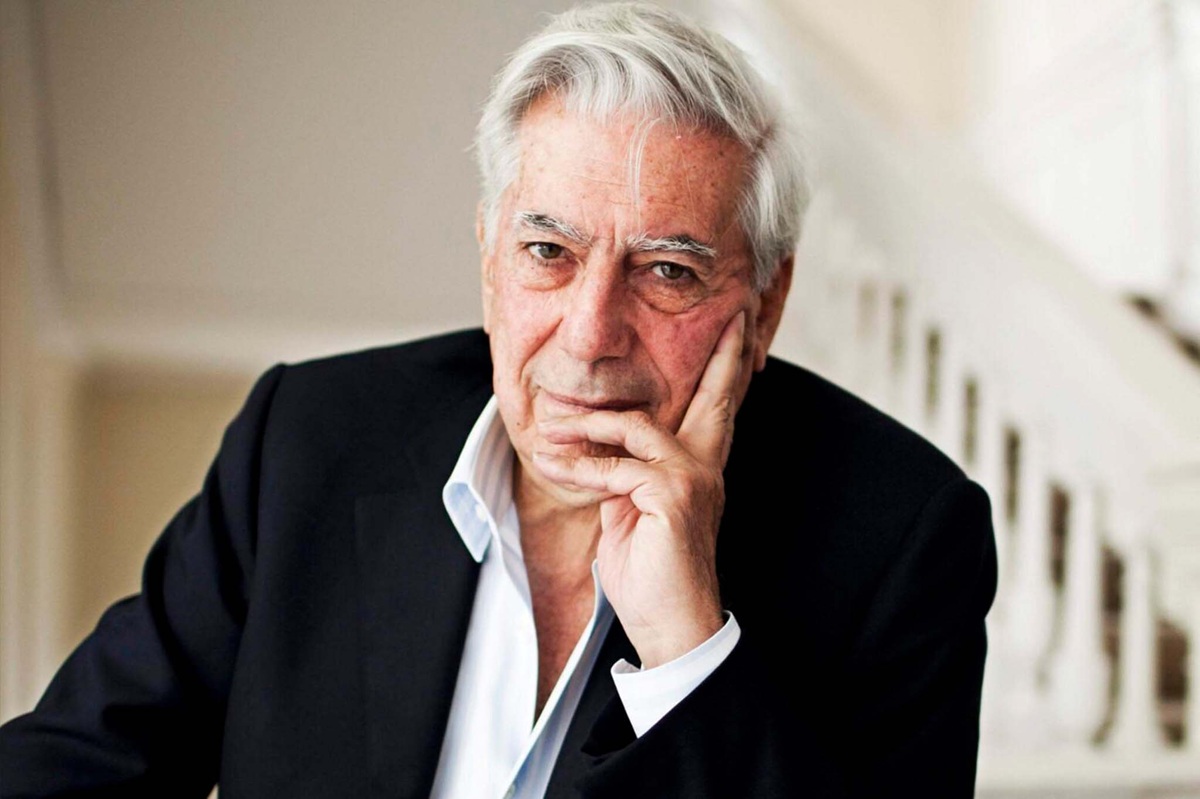
Mario Vargas Llosa (1936–2025) was a Peruvian novelist, essayist, journalist, and public intellectual, widely considered one of the most important writers in modern world literature and a central figure in the Latin American literary “Boom” alongside authors like Gabriel García Márquez and Julio Cortázar.
Beyond fiction, he was also active in politics and cultural criticism — he even ran for president of Peru in 1990.
In short, Mario Vargas Llosa was not just a storyteller, but a writer who used literature to examine how societies function and how individuals struggle for freedom within them.
A Nobel Prize Winner Who Actually Connects With Readers
Winning the 2010 Nobel Prize in Literature, Vargas Llosa earned recognition not just for beautiful prose but for exploring power structures, resistance, and individual freedom.
But here’s the thing: some Nobel-winning authors can feel intimidating or overly academic. Vargas Llosa isn’t like that. His writing is intellectual without being inaccessible — like a professor who tells fascinating stories instead of reading from slides.
When you read him, you don’t feel like you’re studying literature. You feel like you’re living it.
Stories That Blend Politics and Human Emotion
One of Vargas Llosa’s greatest strengths is how naturally he mixes politics with personal stories.
Politics in his novels isn’t abstract or distant. It’s emotional. It’s messy. It affects real people making complicated decisions.
Take The Feast of the Goat, for example. It explores dictatorship in the Dominican Republic, but instead of feeling like a history lecture, it reads like a psychological thriller. You see how power shapes individuals — and how individuals shape power.
It’s like watching history unfold through a keyhole.
Complex Characters That Feel Real
Have you ever read a novel where characters feel like cardboard cutouts? Vargas Llosa avoids that completely.
His characters are flawed, contradictory, and deeply human. They make mistakes. They justify them. They regret them — sometimes.
Reading his novels feels like listening to real conversations rather than scripted dialogue. Nobody is entirely good or evil. Everyone lives in the gray areas.
And honestly? That’s what makes his stories unforgettable.
A Master of Narrative Structure
Mario Vargas Llosa doesn’t just tell stories — he builds them like puzzles.
He often plays with:
- Multiple timelines
- Shifting perspectives
- Interwoven narratives
- Non-linear storytelling
At first, it might feel like assembling a jigsaw puzzle without the picture on the box. But once the pieces click together, the satisfaction is incredible.
It’s the literary equivalent of solving a mystery.
Latin American History Comes Alive
Reading Vargas Llosa is like traveling across Latin America without leaving your chair.
His novels explore:
- Peru’s political struggles
- Social inequality
- Cultural identity
- Military regimes
- Revolution and resistance
But this isn’t textbook history. It’s history with a heartbeat.
You don’t just learn what happened — you understand how it felt to live through it.
He Balances Humour and Serious Themes
You might expect heavy political novels to feel dense or depressing. Surprisingly, Vargas Llosa often uses irony, satire, and humour to lighten complex themes.
For instance, Aunt Julia and the Scriptwriter mixes romance, absurdity, and storytelling chaos in a way that feels playful and personal.
It’s like discussing philosophy over coffee instead of in a lecture hall.
His Writing Explores Freedom — Over and Over Again
If there’s one idea running through Vargas Llosa’s work, it’s freedom.
Freedom from:
- Political oppression
- Social expectations
- Cultural limitations
- Personal fears
His characters constantly struggle between control and independence. That tension drives many of his stories.
And isn’t that something everyone can relate to?
His Most Influential Novels
Mario Vargas Llosa wrote many important novels, but a few stand out as essential reading — either because of their literary impact, storytelling power, or accessibility.
Here are his best and most influential novels:
1. Conversation in the Cathedral (1969)
Often considered his masterpiece, this novel explores dictatorship, corruption, and disillusionment in Peru. It’s ambitious, layered, and intellectually rich. Not the easiest entry point — but incredibly rewarding if you’re ready for a complex read.

2. The Feast of the Goat (2000)
Probably his most widely read novel. It tells the story of the Trujillo dictatorship in the Dominican Republic through multiple perspectives. Dark, gripping, and almost cinematic — this is one of the best places to start.

3. Aunt Julia and the Scriptwriter (1977)
A funny, semi-autobiographical novel about a young writer, a forbidden romance, and a radio scriptwriter slowly losing his grip on reality. Lighter than his political novels and very entertaining.

4. The Time of the Hero (1963)
His breakthrough novel, based on his experiences at a military academy in Peru. It deals with masculinity, authority, and violence. Bold and controversial when it was published.

5. The Bad Girl (2006)
A love story spanning decades and continents, following a man obsessed with a mysterious, unpredictable woman. More emotional and accessible than many of his earlier works.

6. The War of the End of the World (1981)
A massive historical epic about rebellion in 19th-century Brazil. Complex, dramatic, and often compared to Tolstoy-style storytelling.

Reading Vargas Llosa Makes You a More Thoughtful Reader
Some authors entertain you. Others change how you think. Vargas Llosa does both.
His stories make you question:
- How power works
- How memory shapes identity
- How societies control individuals
- How individuals resist control
Reading him is like exercising your imagination and your critical thinking at the same time.
And just like physical exercise, it gets easier — and more rewarding — the more you do it.
Why His Work Still Matters Today
Even though many of Vargas Llosa’s novels are set decades ago, their themes feel surprisingly current.
Authoritarianism, corruption, media influence, and social inequality aren’t historical relics. They’re still part of modern life.
That’s why his books don’t feel old. They feel relevant — sometimes uncomfortably so.
Great literature ages like wine, not milk. Vargas Llosa proves that.

Conclusion
Reading Mario Vargas Llosa isn’t just about finishing a novel. It’s about exploring power, love, freedom, and society through storytelling that feels alive.
He challenges you without confusing you. He entertains you while making you think. He shows you history through people, not dates.
If books are conversations across time, Vargas Llosa is one of the most interesting voices you can listen to. And once you start reading him, it’s hard to stop.
FAQs
Did you like it? Pin this post for later!