Disclaimer
This post may contain affiliate links. I will make a small commission if you make a purchase through one of these links, at no extra cost to you. See full disclosure and disclaimer policy HERE.

Elizabeth Gaskell isn’t always the first name that comes to mind when people talk about classic literature—but honestly, she should be. Her novels are rich, human, deeply emotional, and surprisingly modern in the way they tackle class, gender, and the quiet revolutions of everyday life. If you’ve been meaning to dive into her work (or you’re wondering why so many readers quietly swear by her), let’s unpack why Gaskell deserves a spot on your reading list.
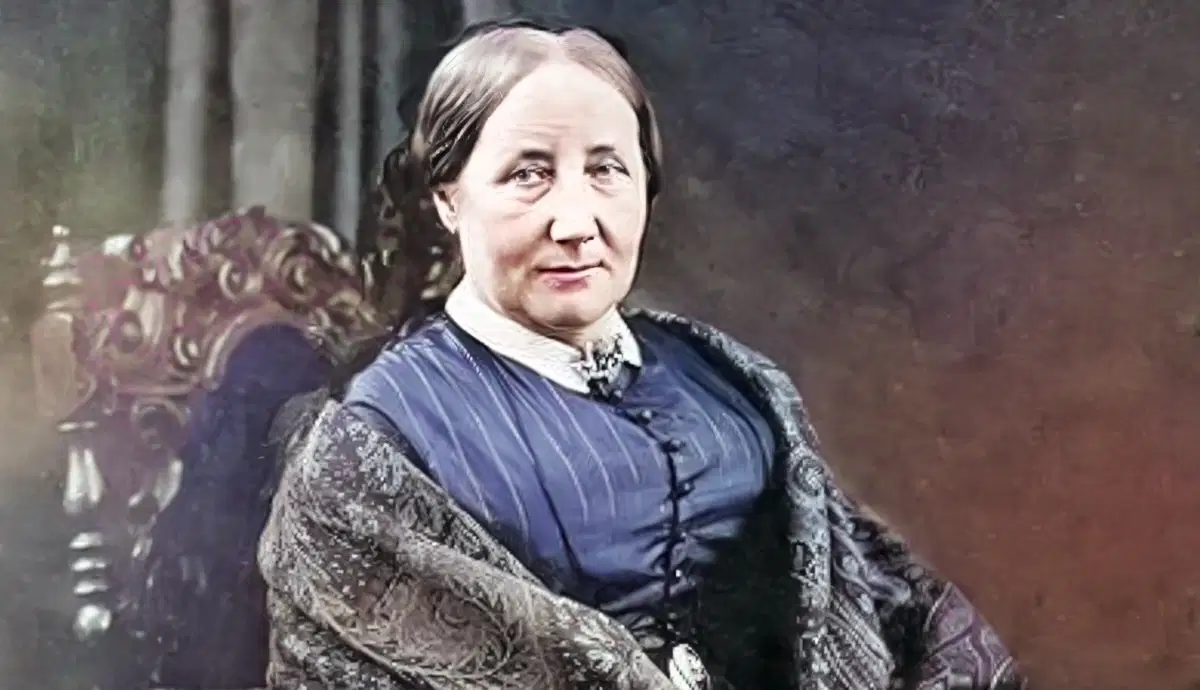
Who Was Elizabeth Gaskell?
Elizabeth Gaskell (1810–1865) was an English novelist, short story writer, and biographer best known for her insightful portrayals of Victorian society. Born in Chelsea and raised partly in rural Knutsford, her mixed urban–rural upbringing shaped the vivid settings of her fiction.
Gaskell wrote with empathy, warmth, and sharp social awareness, tackling themes like class struggle, industrialisation, gender roles, and the quiet complexities of everyday life. Her major works blend realism with emotional depth, making her one of the most important voices of 19th-century literature.
She was also a friend of Charles Dickens and the first biographer of Charlotte Brontë, solidifying her place in literary history.
She Writes About Real People With Real Struggles
One of the biggest reasons to read Gaskell is this: she wrote about ordinary people during extraordinary times. While some Victorian authors romanticised the era, Gaskell rolled up her sleeves and got into the messy realities—industrialisation, poverty, social inequality, grief, gossip, and the complicated nature of being human.
Her characters feel like people you could bump into today. Think anxious mothers, overworked labourers, stubborn heroes, gentle rebels, and women trying to carve out their space in a world built for someone else. You don’t just read about them—you feel with them.
She Was Brave Enough to Write About Class and Inequality
If you want Victorian literature with bite, Gaskell delivers. She doesn’t sugarcoat the lives of factory workers or overlook the harsh conditions of the working class. Books like North and South or Mary Barton hit you with a clear message: the social divide is real, dangerous, and deeply human.
Gaskell manages to blend compassion with critique, making her work feel strangely current—because let’s be honest, we’re still talking about wealth gaps, workers’ rights, and unfair systems. Reading her is a reminder that history repeats itself, just with different outfits.
Her Female Characters Are Strong, Complex, and Refreshingly Relatable
If you love strong female leads who don’t feel like cardboard heroines, you’re in for a treat. Gaskell’s women don’t just sit around waiting for something to happen—they think, act, grow, push back, compromise, doubt themselves, and get back up.
Margaret Hale (North and South) challenges gender expectations.
Molly Gibson (Wives and Daughters) navigates young adulthood with quiet emotional strength.
Ruth (Ruth) forces readers to confront judgement and morality.
These women aren’t perfect—and that’s exactly why they feel real.
She Blends Warmth, Wit, and Social Commentary Like a Master
Many Victorian writers leaned heavy on drama or moral lessons, but Gaskell had a secret weapon: her humour. Even when tackling serious themes, she sprinkled warmth and wit through her storytelling. Cranford is basically a charming, witty love letter to small-town life, filled with gossip, quirks, and women quietly running the world.
Her writing feels like sitting down with a smart friend who can make you laugh, cry, and see society from a new angle—all in one conversation.
Her Books Are Perfect If You Love Austen… But Want More Depth
A lot of readers compare Gaskell to Jane Austen—and it’s not wrong. Both wrote about relationships, communities, and women’s lives. But Gaskell goes deeper into the social and political realities of her time. It’s like Austen gives you the ballroom dance, and Gaskell walks you out into the street afterward and shows you who keeps the lights on.
If you want a blend of romance, realism, social tension, and heartfelt character journeys, Gaskell checks every box.
Her Writing Is Surprisingly Cinematic and Emotionally Engaging
Ever read a classic and think, “Okay, but where’s the feeling?” With Gaskell, you don’t have that problem. Her scenes play out with a visual, cinematic quality—factories roaring, small-town parlors buzzing, eyes meeting across crowded rooms, heartbreak unfolding slowly like fog rolling in.
This emotional clarity makes her work incredibly accessible, even if you’re not normally into Victorian novels.
Elizabeth Gaskell’s Best Works
Here are Elizabeth Gaskell’s best and most celebrated works, perfect if you want to explore the breadth of her writing:
1. North and South (1854–1855)
Often considered her masterpiece, this novel follows Margaret Hale as she moves from the idyllic South of England to the industrial North. It blends romance, class conflict, labour disputes, and social criticism with unforgettable characters—especially the iconic John Thornton.

2. Cranford (1851–1853)
A charming, witty portrait of a small, predominantly female town. This novel is beloved for its humour, warmth, and gentle satire. If you like quiet, character-driven stories, Cranford is a joy.

3. Mary Barton (1848)
Her debut novel and one of the earliest works of social realism. Set in Manchester, it explores poverty, strikes, and working-class struggles with compassion and grit. A powerful look at Victorian industrial life.

4. Wives and Daughters (1864–1866)
Her final (unfinished) novel—often praised for its psychological depth and realism. It follows Molly Gibson as she navigates family life, love, and societal expectations. Many consider it her most mature work.

5. Ruth (1853)
A brave and controversial novel for its time, telling the story of a “fallen woman” with empathy instead of condemnation. It challenged Victorian moral norms and still resonates today.

6. The Life of Charlotte Brontë (1857)
Though not fiction, this biography is one of her most important works. Written with sincerity and insight, it shaped the public’s understanding of Charlotte Brontë and the Brontë family.

7. The Moorland Cottage (1850)
A shorter, tender novella exploring family, loyalty, and moral choices. Underrated but beautifully written.

8. Sylvia’s Lovers (1863)
A darker, emotionally intense historical novel set in a whaling town. It deals with love, loyalty, and loss—often considered her “saddest” book.

Gaskell’s Stories Still Matter Today
The most compelling reason to read her? Her themes didn’t fade with time.
- Inequality? Still here.
- Class tensions? Very much alive.
- The fight for women’s voices? Ongoing.
- The need for empathy and understanding across social divides? Always relevant.
Gaskell gives us the past, but she also holds up a mirror to the present.

Conclusion
Elizabeth Gaskell is one of those authors who quietly changes how you see literature—and maybe even how you see people. Her books have heart, depth, and a refreshing honesty about society and human nature.
Whether you love social commentary, powerful heroines, emotional storytelling, or Victorian charm, she offers a little bit of everything. If you’ve been curious about her work, consider this your sign: start reading Gaskell, and you’ll wonder why you didn’t pick her up sooner.
FAQs
Did you like it? Pin this post for later!